Range Bag Essentials: What to Pack for Your Next Range Day
September 28th, 2026 | By Midwest Shooting Center
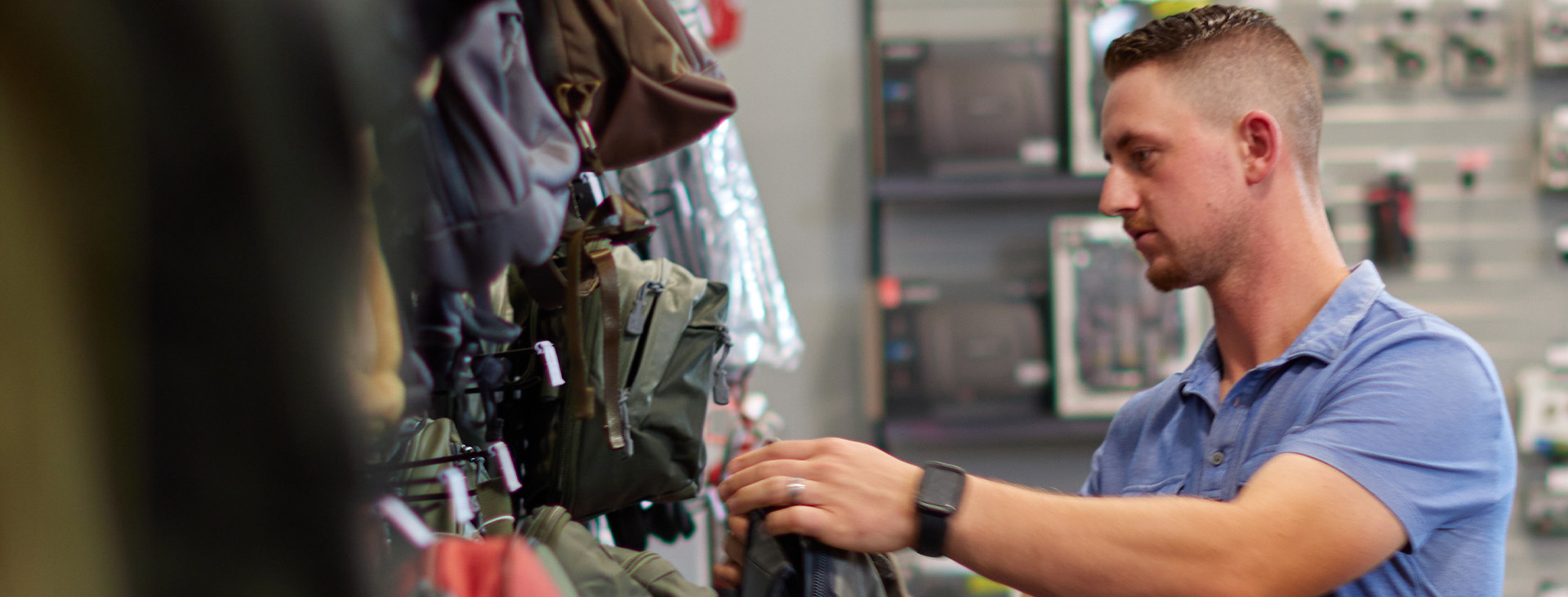
A great range day starts before you ever step onto the range. Having the right essentials packed and ready means less time searching through your bag and more time focused on the range.
If you're heading to an indoor range, you don't need to pack everything you might see in a traditional range bag checklist. That means you can keep your setup simple and focus on the things that actually make your range time more comfortable and productive.
Here are the range bag essentials we recommend bringing with you.
1. Eye & Ear Protection
Eye and ear protection are the foundation of any range bag.
Eye protection helps protect your eyes from debris and other hazards while you're on the range. If you wear prescription glasses, look for range-rated options that can be worn comfortably over or in place of your everyday glasses.
For hearing protection, we recommend Apollo electronic hearing protection. Apollo options provide hearing protection while still allowing you to hear what's happening around you, which can be especially helpful when you're training with an instructor or communicating with someone on the range.
And because your gear doesn't have to be boring, Apollo comes in a variety of colors, so you can choose an option that fits your style.
Tip: Keep your eye and ear protection in a dedicated compartment of your range bag so you always know exactly where it is. You don't want to arrive at the range and realize your most important gear is sitting at home.
2. Magazines & Magazine Loaders
If you're bringing your own equipment to the range, magazines are an obvious essential, but having a way to keep them organized can make your range session much easier.
Bring enough magazines for the type of training you're doing, and consider using a dedicated magazine pouch or compartment to keep loaded and unloaded magazines organized.
A magazine loader is another small piece of gear that can make a surprisingly big difference. Loading magazines by hand can become tedious, especially during longer training sessions.
We recommend Maglula magazine loaders for making the process faster and easier. They're compact enough to keep in your range bag and can save your thumbs from a lot of unnecessary work.
Tip: Before heading to the range, make sure you know how many magazines you'll need for your planned session. A little preparation at home can help you spend more of your range time actually training.
3. Maintenance Essentials
Your range bag is also a great place to keep a small maintenance kit.
You don't necessarily need to carry an entire cleaning bench with you. A compact kit with the basics can be enough to handle minor maintenance needs while you're at the range or make sure your equipment is ready for your next session.
Depending on your equipment, consider keeping items such as:
• Cleaning patches
• Bore brush
• Cleaning rod or cable
• Lubricant
• Small nylon brushes
• Microfiber cloth
• Basic tools appropriate for your equipment
Keeping these items together in a small pouch prevents them from getting lost throughout the rest of your bag.
Tip: After your range session, take a few minutes to check your equipment and make note of anything that needs attention. A little routine maintenance can help keep your equipment ready for your next trip.
4. Comfort & Convenience
Not everything in your range bag needs to be directly related to training. A few simple items can make your time at the range more comfortable.
Since Midwest Shooting Center is an indoor range, you don't need to worry about packing all of the outdoor-range extras like sunscreen, bug spray, or weather gear. Instead, think about the little things that make your experience easier.
A few useful additions include:
• Hand sanitizer
• Tissues
• Small first-aid kit
• Extra batteries for electronic gear
• A small towel or microfiber cloth
• A pen
One important reminder: food and drinks aren't permitted on the range due to lead exposure, so save the snacks and water for after your range session.
5. A Plan
Your range bag isn't complete without a plan for what you're going to do once you get on the range.
It's easy to walk into the range, start shooting, and realize 30 minutes later that you weren't really working toward anything specific. Instead, take a few minutes before your session to decide what you want to accomplish.
Maybe you're working on:
• Improving your fundamentals
• Building consistency
• Practicing a specific skill
• Getting more comfortable with your equipment
• Preparing for an upcoming class
• Working on something an instructor previously identified
You don't need a complicated plan. Even having one or two specific goals can help you stay focused.
Consider keeping a training notebook in your range bag. After your session, jot down what you worked on, what felt good, and what you want to focus on next time. Over time, this gives you a record of your progress and can help you identify areas where additional training could be useful.
Build Your Range Bag Around You
There isn't one perfect range bag, and you don't need to carry everything.
Start with the essentials: eye and ear protection, magazines and a magazine loader, basic maintenance supplies, a few comfort items, and a plan for your training session. From there, you can customize your bag based on your equipment, your goals, and how you like to spend your time on the range.
The goal isn't to have the biggest or most packed range bag. It's to have the right gear ready when you need it.
Pack your bag, make a plan, and make your next range day count.