Why Ongoing Training Matters
January 21st, 2026 | By Midwest Shooting Center
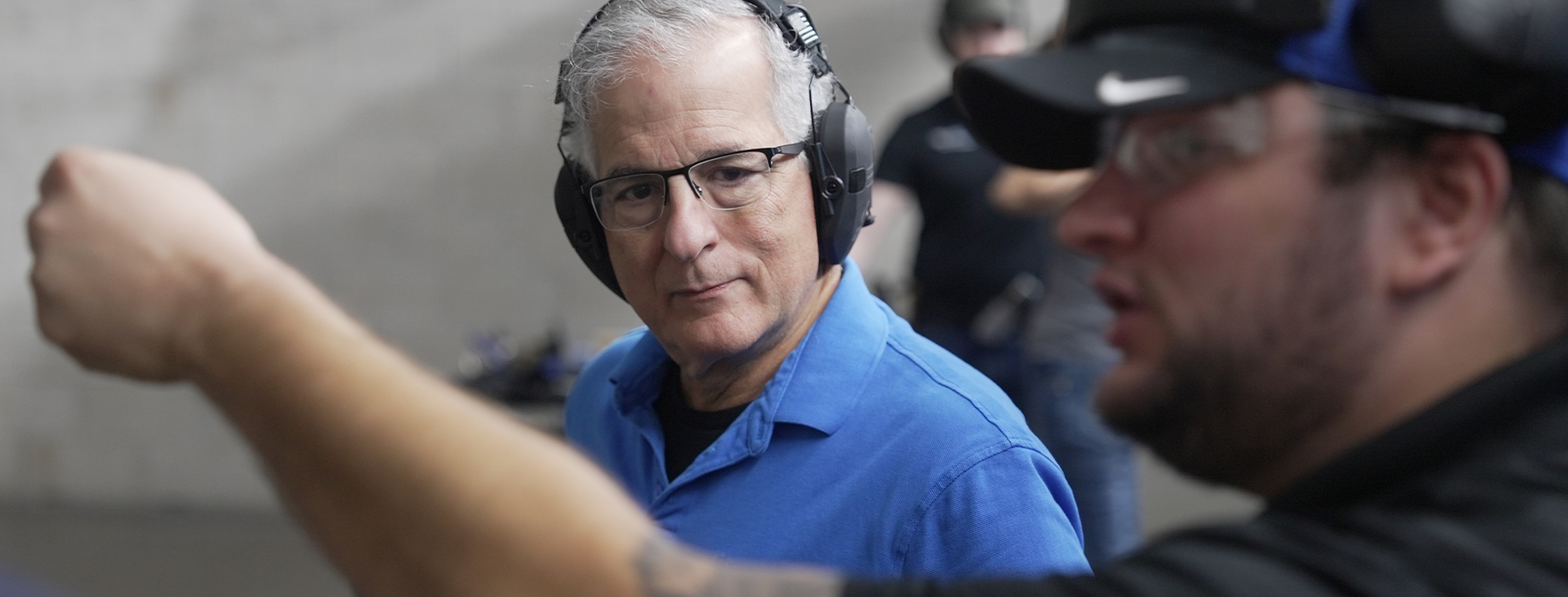
It’s easy to think of training as something that you do at the beginning of your journey. Everything is new, unfamiliar, and can even be slightly intimidating. Once you’ve started on the journey and gained some experience, confidence, and consistency, training may start to feel like it’s optional. In reality, ongoing training is one of the most important factors when it comes to long-term growth, safety, and enjoyment regardless of what experience level you are at.
Whether you’re brand new to the range, self-taught, or highly experienced, continued training helps to provide structure, accountability, and refinement that casual practice alone simply can’t replicate. Let’s dive into why ongoing training matters - no matter where you are in your firearms journey.
Training Isn’t Just For Beginners
Many people hear training and associate that word with “starting out,” but that’s only one small piece of the picture. While foundational instruction is critical for new shooters just starting out on the range, the benefits of training don’t disappear with experience. In fact, the more skilled you become, the more valuable structured training often is.
When you get to the higher experience levels, training shifts from learning what to do to refining HOW and WHY you are doing it. Small adjustments in technique, breathing, grip, stance, mindset, or consistency can make a noticeable difference over time. Training continuously helps to identify those habits that you may not have even realized that you’ve developed, and replaces them with more efficient, safer, and more repeatable skills that you can carry on the range and outside it.
Skill Decay Is Real - Even For Experienced Shooters
Like any hands-on skill, shooting can become rusty. Without consistent practice and repetitions, performance will naturally decline. Grip, stance, sight alignment, trigger control, and even decision-making all rely on muscle memory and repetition.
Ongoing training helps:
● Reinforce proper fundamentals
● Catch bad habits early on
● Maintain consistency over time
● Prevent plateaus
Even experienced shooters will benefit from check-ins, repetitions, and guided practice to ensure that their fundamentals remain strong and steady. Training isn’t about fixing mistakes, it's about preventing them, growing your confidence, and enhancing your skills.
Safety Is An Ongoing Responsibility
Safety is not a one-time lesson and then you never have to think about it again, it’s a lifelong commitment as a responsible firearm owner and shooter. Continued training reinforces those safe handling practices and situational awareness in ways that casual practice often overlooks.
As familiarity on the range and with your firearm increases, complacency can creep in. Ongoing training keeps safety top of mind and encourages intentional shooting behavior, especially when you’re moving towards dynamic or high-pressure environments/scenarios. It also ensures that best practices evolve alongside updated standards, new equipment, and changing range procedures if necessary. Training helps to create confident shooters who are not just capable, but consistently safe.
Training Builds Confidence, Not Just Competence
Confidence comes from understanding, not guesswork. Ongoing training replaces uncertainty with clarity by providing feedback, structure, and measurable progress like our unique patch system.
For newer shooters, training can help reduce anxiety and answer questions that might otherwise go unasked. For more experienced shooters, it helps to reinforce trust in their own abilities and decision-making. Confidence grows when you know WHY something works, not just that it does.
This confidence carries far beyond the range, helping to create a more relaxed, focused, and enjoyable experience overall.
Structured Training Prevents Plateaus
Many shooters reach a point where progress seems to stall or plateau out. Accuracy levels off. Improvement slows down. Practice starts to feel repetitive.
This is where ongoing training becomes especially valuable. A structured program can help to introduce:
● Clear Goals
● Progressive Challenges
● Personalized Feedback
● New Drills and Perspectives
● Enhanced Skills
● Access to Various Scenarios/Environments
Rather than repeating the same habits and drills, following a comprehensive training program can help to break through those plateaus and keep development moving forward. Growth doesn’t always come from doing more, it can come from doing things differently and with intention.
Coaching Provides an Outside Perspective
One of the most overlooked benefits of ongoing training is personalized feedback. It is difficult to evaluate your own performance in real time, especially when you’ve been practicing independently.
Professional Instructors Can:
● Spot inefficiencies that you may not notice yourself
● Offer corrections and provide drills tailored to your goals and needs
● Help refine technique with small, impactful changes
● Provide encouragement and accountability
That outside perspective is invaluable at every level. Even elite performers in other disciplines and industries rely on coaching, and the shooting world is no different.
Training Evolves As Your Goals Change
Your reasons for training today may not be the same as they were when you first started out. Goals will change over time, and your training should also evolve with those changing goals.
Ongoing training allows you to:
● Reassess goals periodically
● Adapt to new challenges
● Explore advanced techniques
● Stay engaged and motivated
Rather than being locked into one single approach and doing the same drills over and over again, continued instruction keeps your training aligned with where you are now, and where you want to go from here.
Consistency Beats Intensity
One of the biggest misconceptions about training is that it requires a large time commitment or intense schedules. In reality, consistency matters far more than intensity. And, when you are working with a training program like Midwest Shooting Center, we have a flexible schedule that allows you to train when you have the time to.
Ongoing training encourages:
● Regular, intentional practice
● Sustainable progress
● Long-term improvement
Small, consistent improvements add up over time. Training provides a framework that supports steady growth instead of short bursts of training followed by long gaps where you will lose some of those skills and run the risk of getting rusty.
A Better Experience Overall
Ultimately, ongoing training makes shooting more rewarding. It adds purpose to practice, clarity to your goals, and confidence to every session. No matter your experience level, training enhances:
● Safety
● Skill
● Confidence
● Enjoyment
It’s not about starting over, it’s about continuing forward.
Training at Midwest Shooting Center
At Midwest Shooting Center, our training program isn’t linear, it’s designed to grow with you by building, reinforcing, and revisiting core skills at every stage. Whether you’re starting with Foundations to develop safe handling and confidence, refining consistency in Skill Builder, or applying those skills in Dynamic training through real-world scenarios, each class strengthens what you’ve already learned.
Not sure where to begin? A free Skills Assessment helps you find the right place to start and the best path forward.
Final Thoughts
Training isn’t something that you outgrow. It’s something that grows with you.
From first-time visitors to seasoned shooters, ongoing training helps to provide structure, accountability, and refinement that casual practice can’t match. It helps to maintain strong fundamentals, reinforces safety, builds confidence, and keeps progress moving in the right direction.
No matter where you are in your journey, continued training is one of the best investments that you can make in yourself, and in your overall range experience.